
2025 Year in Review: Building Responsible Technology Together
A look back at everything we accomplished in 2025 — from new DTPR deployments around the globe, to the launch of Clarable, extending DTPR to AI, and growing the open-source ecosystem.
March 27, 2026
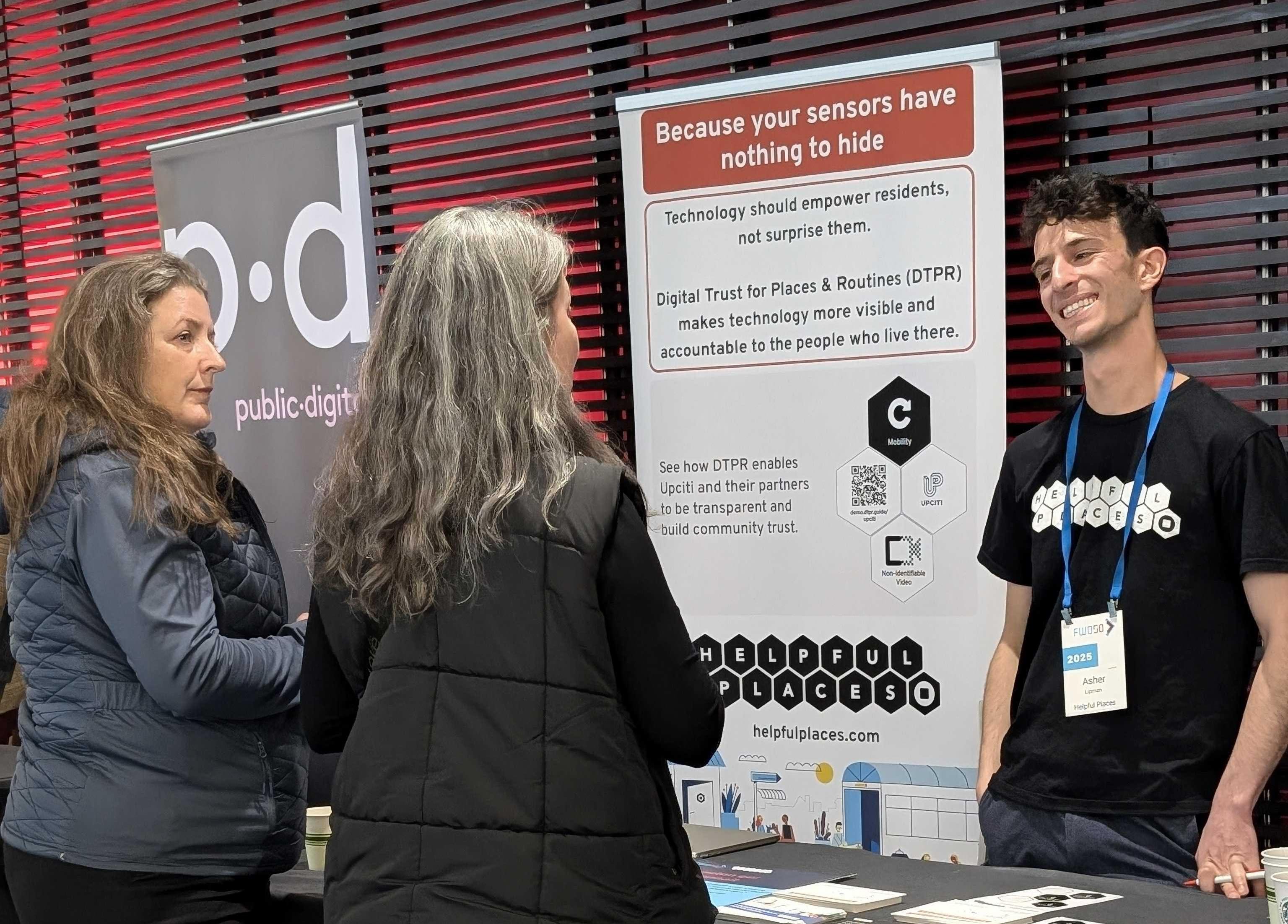
With 2026 well underway, we wanted to take a moment before we get deeper into the year to look back at everything we accomplished in 2025 at Helpful Places.
Growing Our Reach
We're thrilled to see the use of the Digital Trust for Places and Routines (DTPR) standard expanding to more cities around the globe.
We've continued our existing partnerships with organizations worldwide, from Michigan Central and the City of Long Beach in the US, to Connected Places Catapult and Porto Digital in Europe.
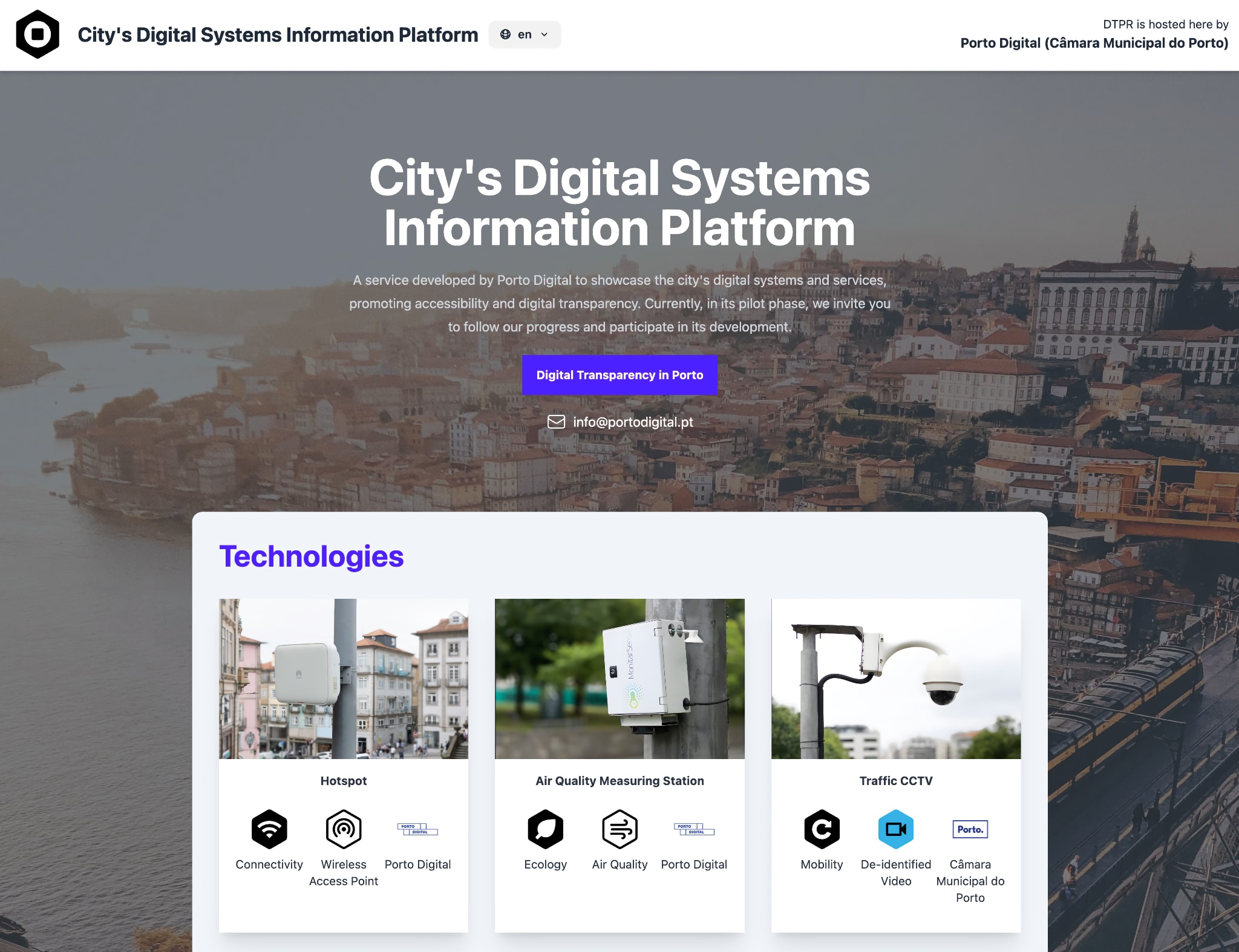
We also worked with the City of Calgary in Canada, the Bourgogne-Franche-Comté Region in France, and Miami-Dade County in the United States to plan the latest deployments of DTPR.
The City of Calgary has begun piloting DTPR, starting with internal testing with City employees in their Wave Tech Centre. Over the coming months, they will be expanding pilots to selected public areas to gather feedback from Calgarians on potential future uses of smart technologies.
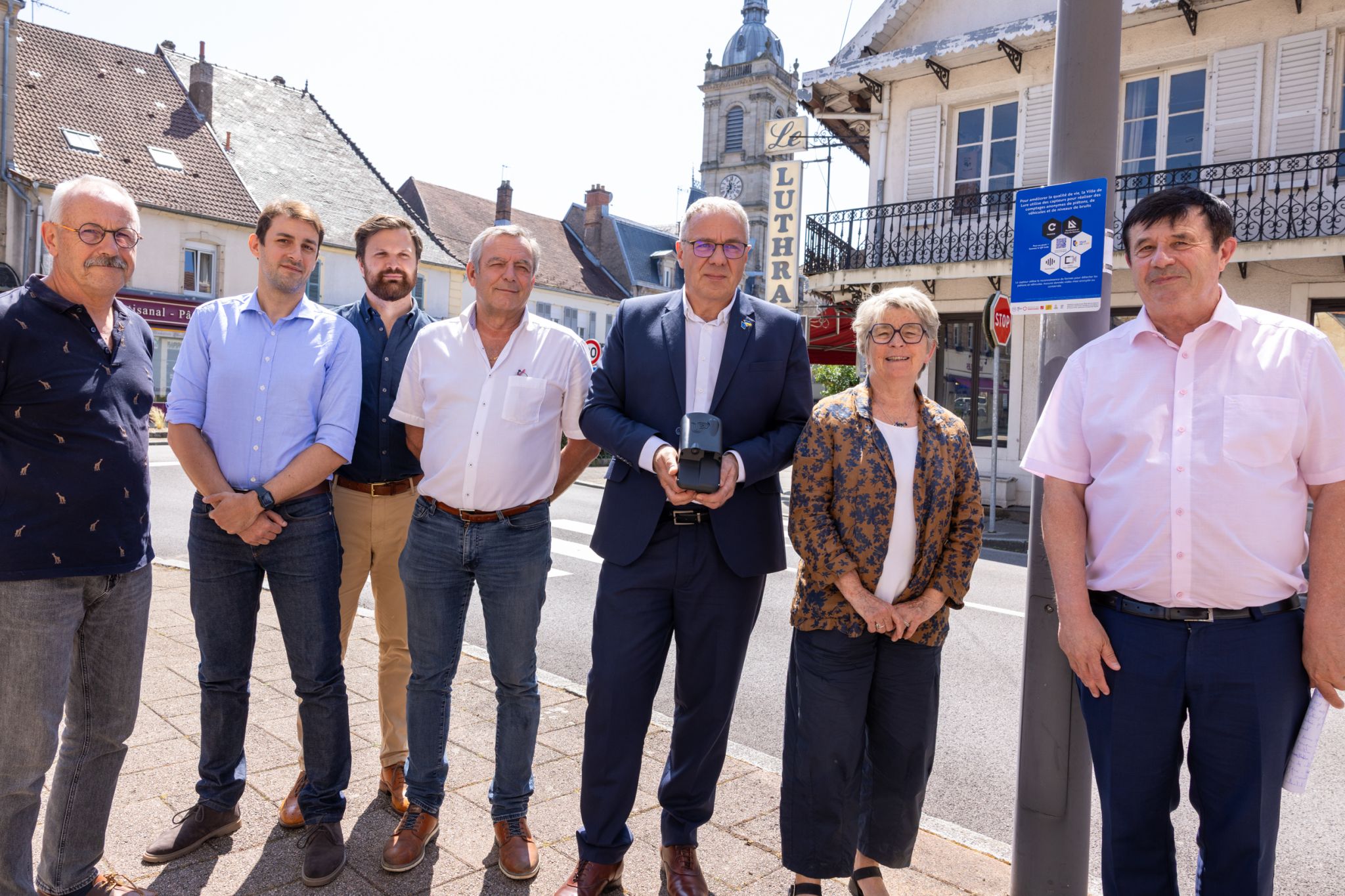
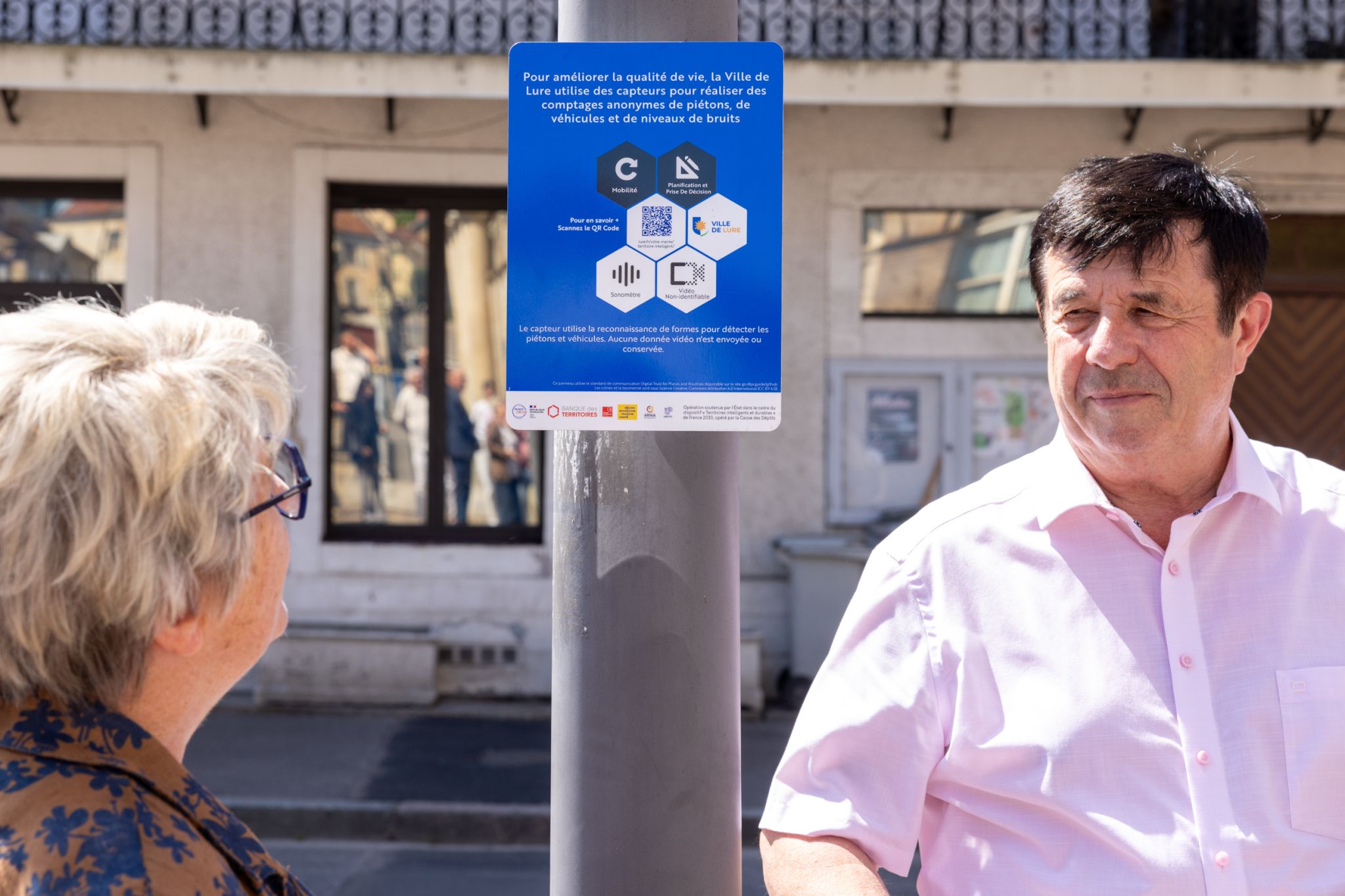
In France, the Bourgogne-Franche-Comté Region installed DTPR signage in Lure as part of their DataBFC-TID project, which involved installing smart sensors on light fixtures to measure bicycle traffic and usage patterns.
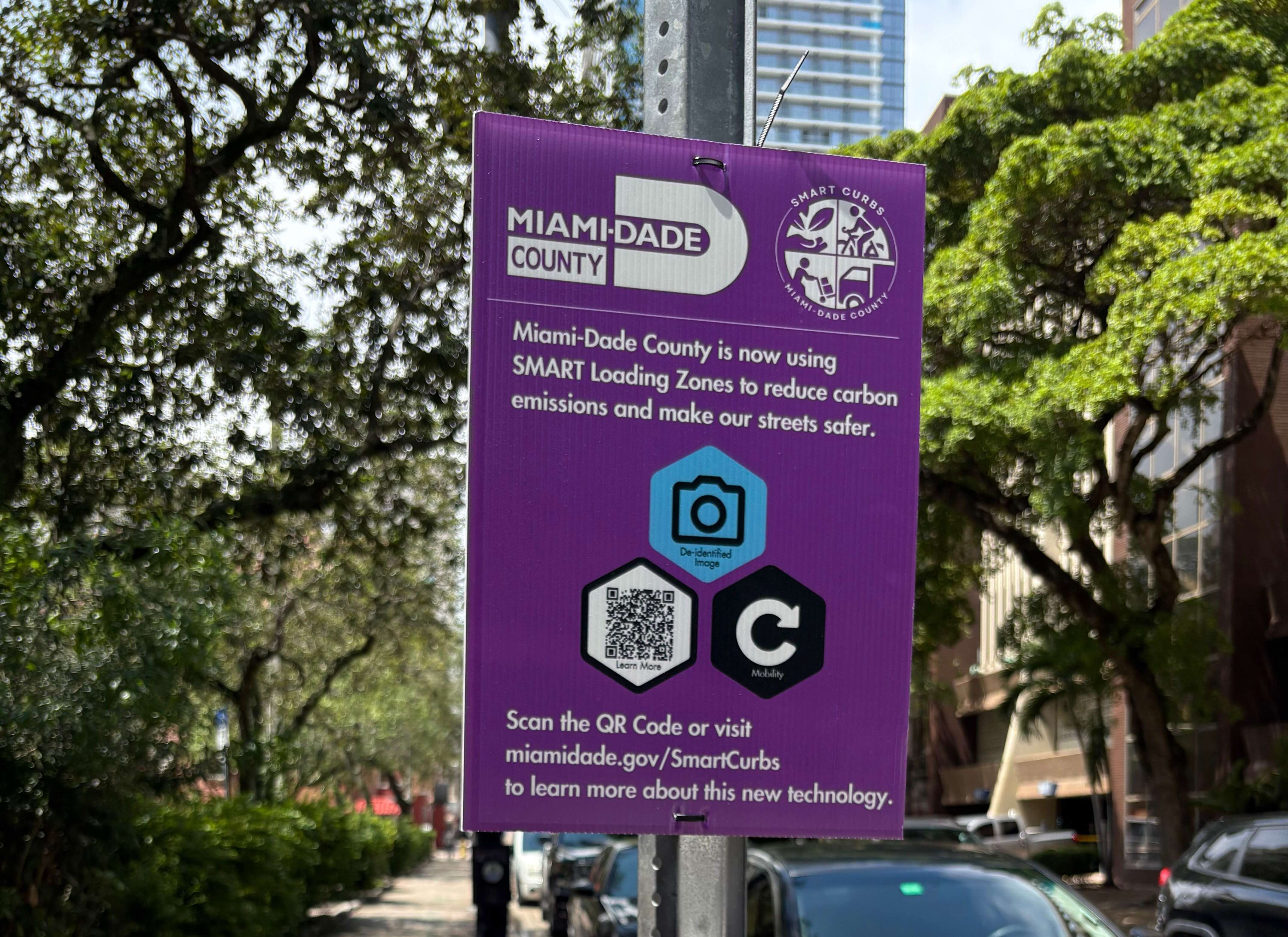
In Miami-Dade County, we collaborated with Urban Health Partnerships to deploy DTPR as the transparency layer for the County's SMART Curbs Program, a USDOT SMART Grant-funded pilot using AI-enabled cameras and sensors to optimize last-mile delivery across Downtown Miami and Brickell. Each SMART Loading Zone featured DTPR-compliant signage and QR codes that clearly communicated the technologies in use, bringing layered transparency directly to the streetscape.
Advancing Clarable, Our Digital Transparency Platform
This year we gave our platform an official name and logo! What we used to call the Helpful Places Platform is now Clarable. Built on the foundation of DTPR, Clarable is an all-in-one platform for documenting, managing, and communicating clearly the digital systems that shape public spaces and services. The name reflects what the platform has always been about: making publicly-deployed technology clear and understandable to everyone.

In addition to the new name, we also made significant strides in making technology deployment management easier through new features in Clarable.
Our new AI-powered DTPR data chain builder helps organizations document their data practices more efficiently, by transforming AI governance documents into data chains automatically. Feed it an Algorithmic Impact Assessment, a GovAI Coalition factsheet, or any other AI or privacy compliance documentation – and it generates a ready-to-use data chain for internal stakeholders as well as the public, and helps identify gaps between the DTPR taxonomy and the input document.
Other improvements to Clarable over the last year include a redesigned data chain builder interface, custom page elements, enhanced authentication with single sign-on (SSO) support, and more robust device management tools.
Extending DTPR to AI
The Digital Trust for Places and Routines (DTPR) open-source standard continues to evolve, with the standard being extended beyond devices to cover AI and algorithmic decision systems as well.
DTPR was originally designed to describe sensors collecting data in public space. But today, a comprehensive digital transparency program would be incomplete if it did not include transparency on the role AI or algorithms used in public decision-making.
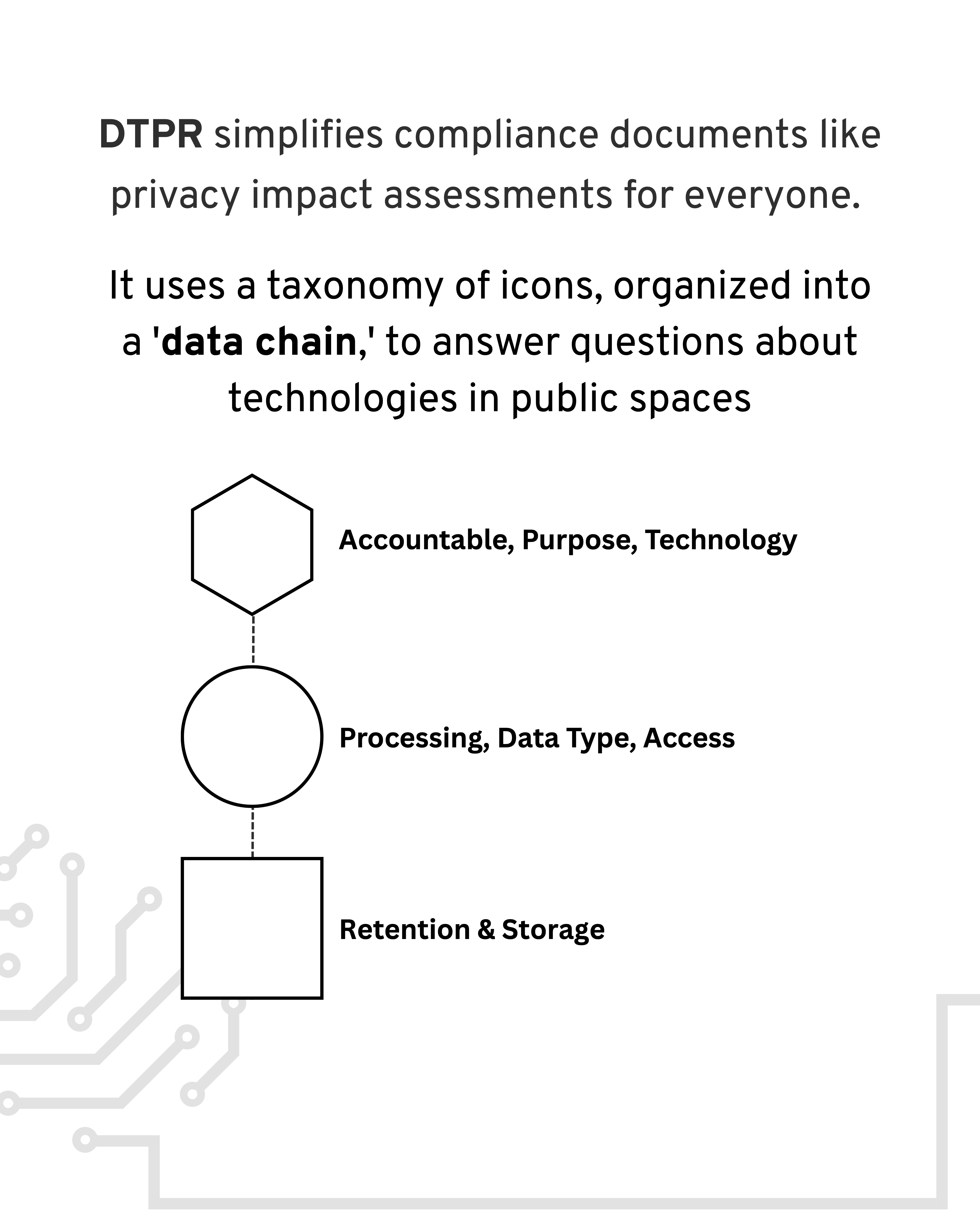
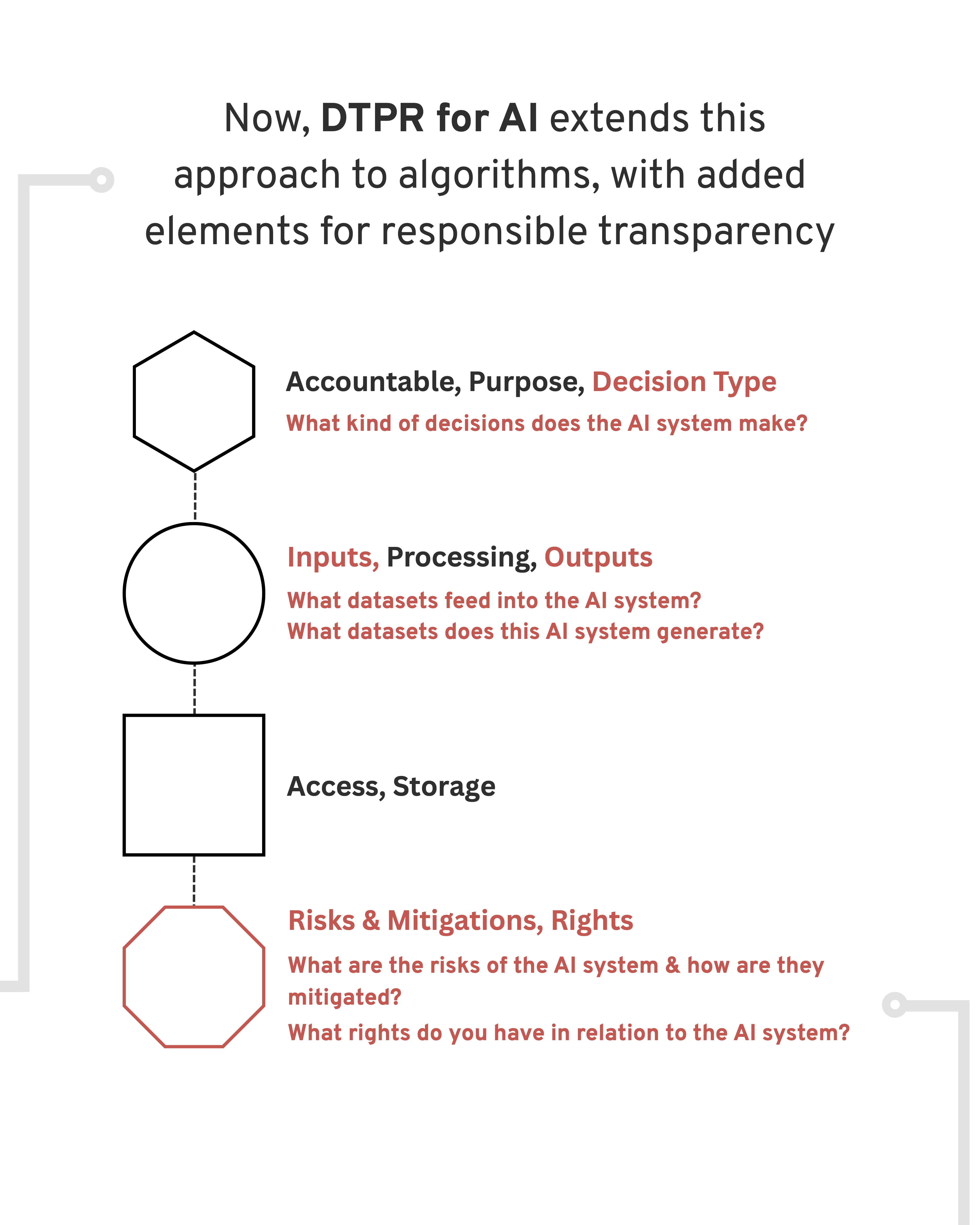
Similar to the existing DTPR data chain for sensors, the DTPR for AI data chain reveals how these algorithmic systems make decisions, manage risks, and where human rights may be impacted across the entire data chain.
This is a first draft of DTPR for AI, so we're looking for collaborators and contributors to help us get this right. You can see our full proposal and leave feedback on GitHub.
Building Out the DTPR Ecosystem
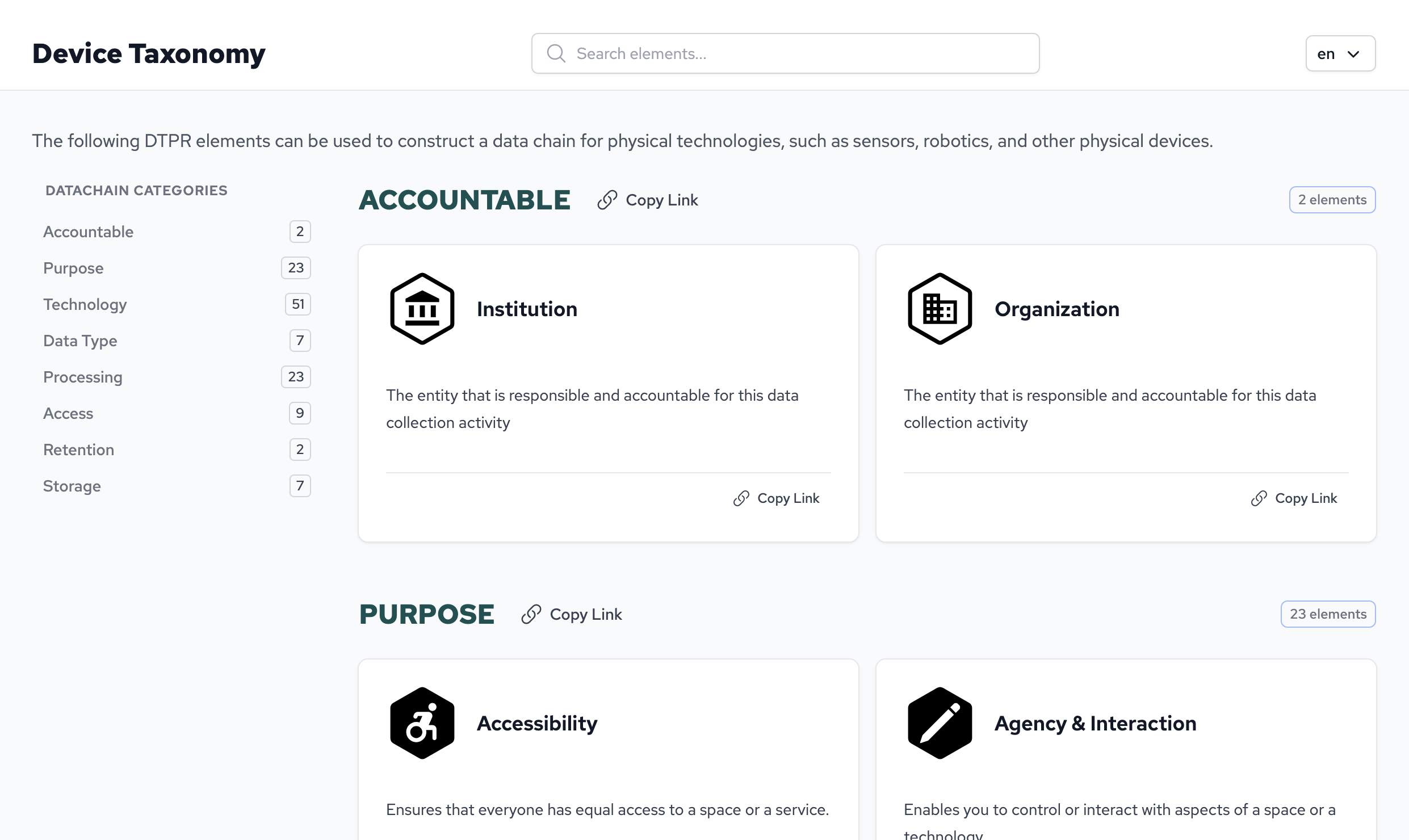
To make it easier for anyone to use DTPR, we launched an improved taxonomy explorer on DTPR.io, which now includes a search feature and the ability to copy links to specific taxonomy items.
We were also honoured to receive support from the U.S. National Science Foundation's Pathways to Open Source Ecosystems (POSE) program to grow and scale the open-source ecosystem around DTPR, in partnership with Superbloom. The partnership will focus on three pillars: ecosystem research, community development, and shared governance.
You can find more details in our blog post about the project and we'll be sharing updates over the coming months.
Recognitions
DTPR was featured in an issue of the American Planning Association's PAS QuickNotes. The QuickNote positions DTPR not just as a communication tool, but as a planning practice that enables cities to plan and govern digital infrastructure with the same level of transparency, scrutiny, and community input as physical infrastructure.
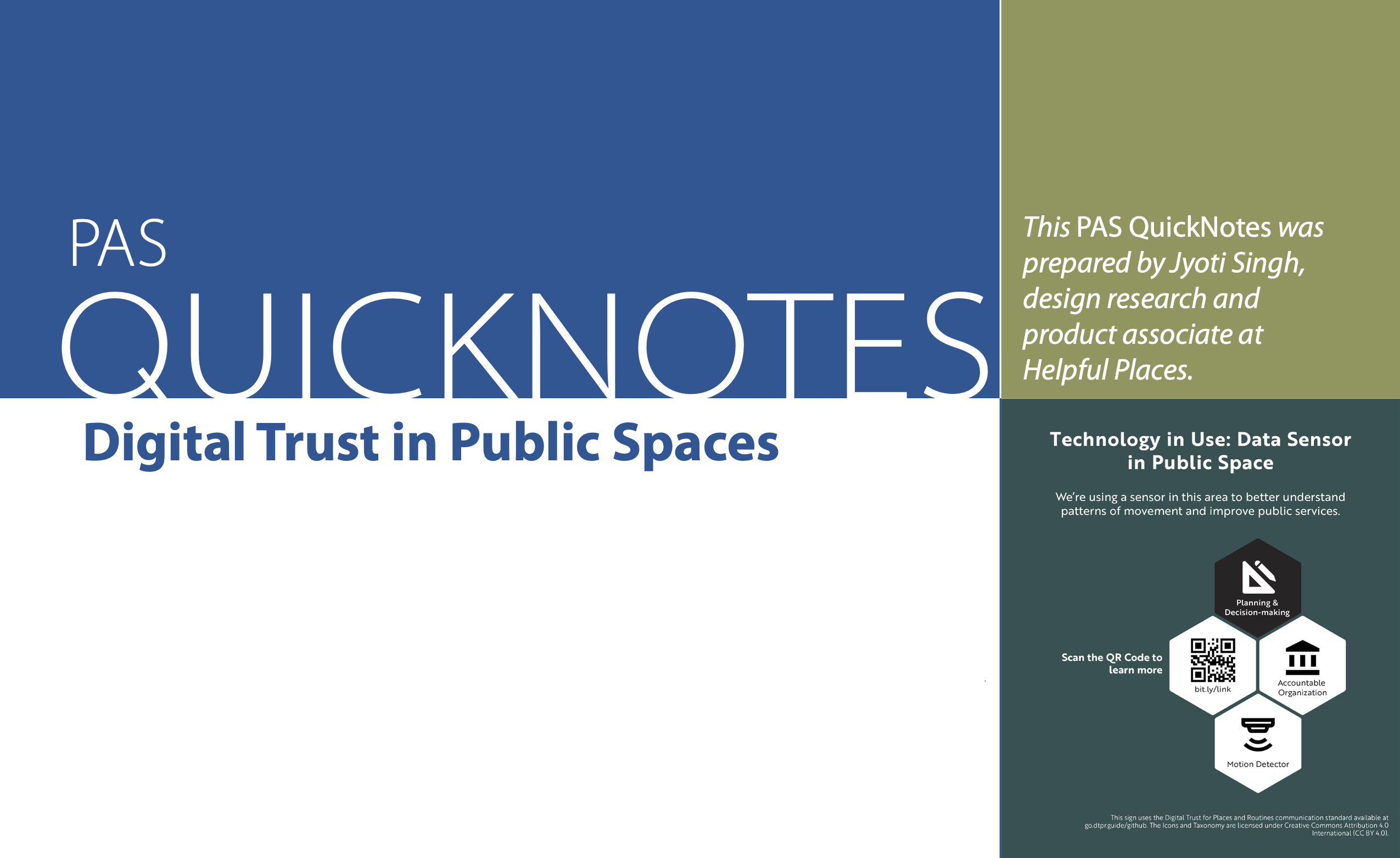
DTPR was also featured in City Parks Alliance's "Parks and Technology" report as a tool for planners and parks practitioners to communicate about technology use in parks and public spaces. And in Australia, Government News highlighted Sydney Olympic Park's adoption of DTPR as an example of how digital technologies can be implemented in a way that puts people's needs first.
Our Founder and CEO Jacqueline Lu was interviewed by Cityfi about how DTPR came to be, joined the Intelligent Communities Forum podcast for a two-part conversation on digital trust, and led a webinar for AIoT Canada. We're also thrilled to congratulate Jackie on her appointment as University of Toronto's Urbanist-in-Residence!
Connecting In Person
It's been wonderful to meet and reconnect with so many of you at events around the world this year.

We presented or participated at Smart City World Expo Barcelona, MozFest, FWD50, NYC Smart City Expo, and multiple Smart Cities Connect conferences. We also explored innovative approaches through the Hudson Yards Data Walk with INCITU, REX Paris, and sessions with Connected by Data in London and GovTech Summit London.
We're grateful to have shared stages at the Canadian Urban Institute's State of Canada's Cities Summit, CivicTechTO's Civic Spark panel, and Cornell's Urban Tech Conference discussing the risks of urban AI. A special highlight was pitching at the Smart City Global Startup Challenge through NXTIA.
Looking Ahead
As we advance further into 2026, we're energized by the momentum we're building together. Whether you're a current partner, someone we met briefly at a conference, or you've been following our work from afar, thank you for being part of this community working toward more responsible, trustworthy technology in our cities and communities.